6 min read
Pharmacy by school, software by conviction
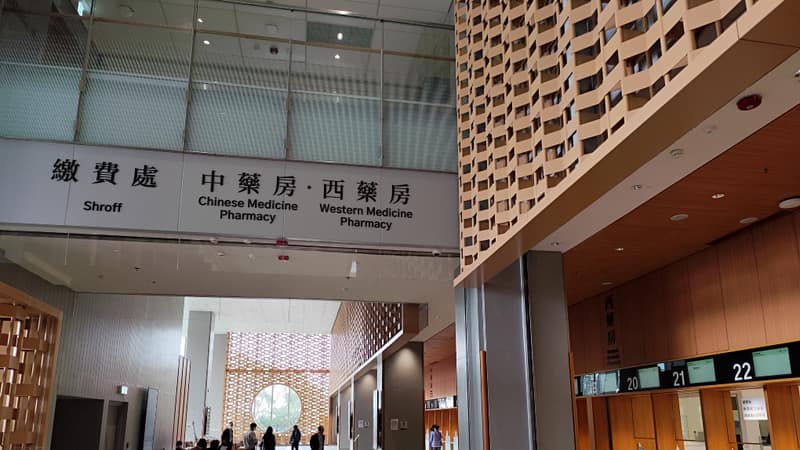
I didn't choose between the lab and the keyboard. The combination isn't a compromise — it's a strategy neither discipline alone gives you.
The crossover nobody else writes — what a Pharmacy education teaches a software engineer, and what software can do for health.
Written by Nzubechukwu Cyprian — Pharmacy student at UNN, full-stack developer and AI builder.
6 min read
I didn't choose between the lab and the keyboard. The combination isn't a compromise — it's a strategy neither discipline alone gives you.
5 min read
A prescription is an API call with life-or-death validation requirements. Pharmacy school taught me forms before code did.

5 min read
Being bilingual in health and tech means seeing the same problem described twice — and knowing both descriptions are partial.

5 min read
Chemistry taught me that unbalanced equations explode. Unbalanced architecture does too — just slower, and with more meetings.

5 min read
A dose is not a number and a patient is not a row. The case for developers who've stood on the clinical side of the counter.

5 min read
Semesters have seasons. Products have seasons. The calendar system that keeps both moving without either burning down.
5 min read
Expectation shapes outcome in medicine and interfaces alike. What pharmacy taught me about designing for trust, not just function.
6 min read
Dose-response curves, half-lives, and drug interactions are surprisingly good mental models for how AI features behave in production.

6 min read
The clinics near campus run on paper and WhatsApp. What I've learned watching real health workflows strain against their tools.

5 min read
Health records taught me that history is sacred. Audit trails in medicine are older than git — and stricter.

5 min read
Generic medicines and open source software share a philosophy: knowledge should compound, access should be wide, and trust needs verification.

5 min read
Pharmacists are trained to extract the real problem from what patients first say. So are good engineers. The technique transfers exactly.

5 min read
Pharmacovigilance invented the blameless postmortem decades before software. The reporting culture is what software is still building.
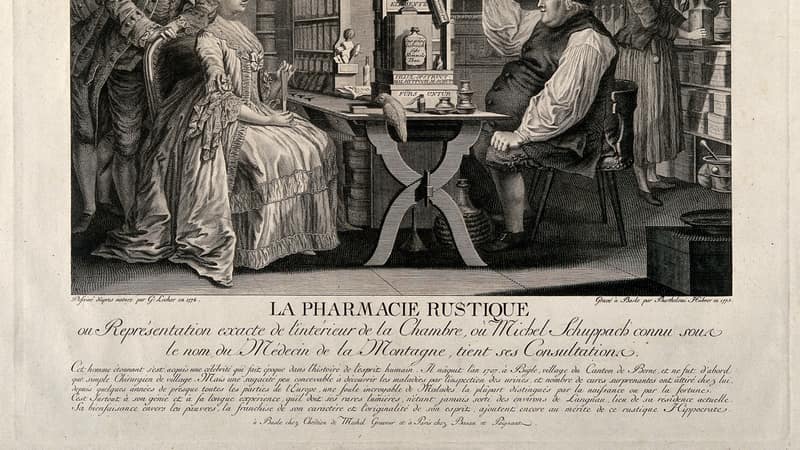
5 min read
A compounding worksheet is a config file with clinical stakes. The discipline of exactness transfers with surprising force.

5 min read
Medicine always asks: what's the antidote if this goes wrong? Software should ask the same question before shipping anything.

5 min read
A pharmacy that never runs out and an API that never fails are managed the same way: with levels, buffers, and budgets.

5 min read
Both patients and users undersell their problems and oversell their compliance. The questioning technique that gets the truth from both.
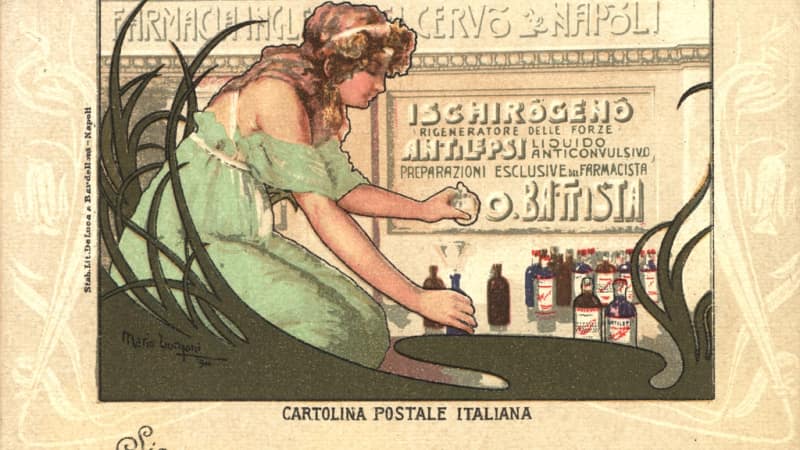
5 min read
Clinical notes follow a discipline: write for the next person, timestamp everything, separate observation from interpretation. So should engineering docs.

5 min read
Neither 'pharmacy student' nor 'developer' holds the whole truth. On building an identity that doesn't require choosing a lane.

5 min read
Pharmacists are trained to spot what's subtly wrong on a prescription. The same trained noticing makes code reviews catch what tests miss.
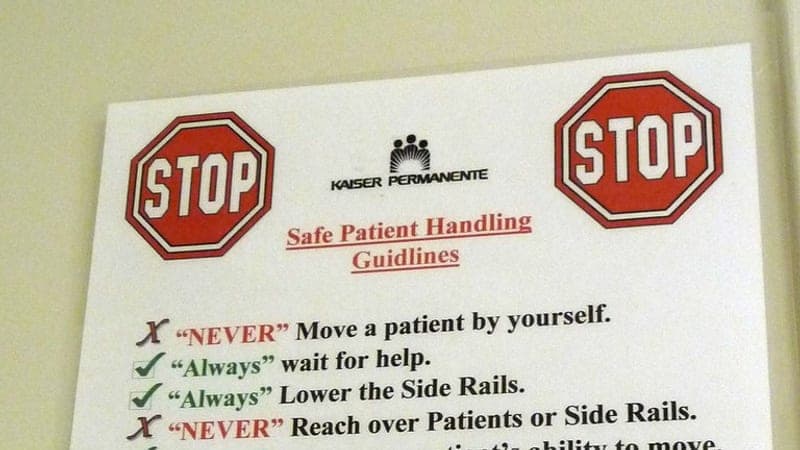
5 min read
Pharmacies triage by consequence, not by noise. Support queues, bug backlogs, and roadmaps should work the same way.